
Audio and video have quietly become the default way information is captured. Conversations are recorded instead of summarized. Explanations are spoken instead of written. Ideas often live as voice notes rather than text.
Creating these recordings is easy, almost automatic. What happens afterward is less clear. Files get stored, renamed vaguely, and rarely opened again. Listening takes time, and searching inside a recording is rarely practical.
AI transcription apps are changing how that recorded material is treated, with the AI transcription market projected to grow significantly. Not by adding complexity, but by removing friction.
When spoken content can be turned into text quickly, recordings stop feeling final. They become editable, reviewable, and easier to return to. That shift doesn’t announce itself loudly, but it affects how often recordings are actually used instead of forgotten.
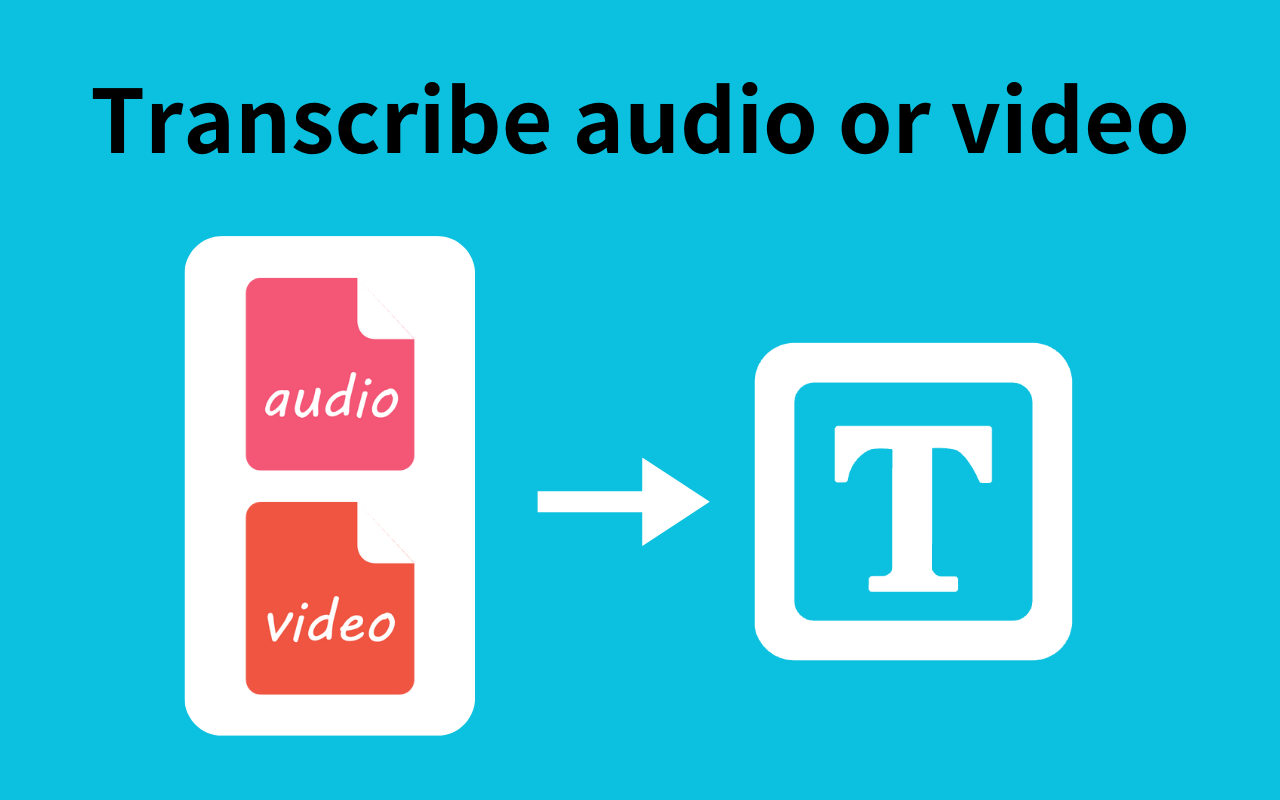
Table Of Contents 👉
From Spoken Input to Written Output
An AI transcription app takes recorded speech and converts it into text by examining how words are delivered rather than how they would normally be written.
It pays attention to pauses, emphasis, and phrasing, then builds sentences based on probability rather than strict grammar rules.
This approach fits spoken language better, since most people don’t speak in complete or orderly sentences. Thoughts overlap, pauses appear unexpectedly, and ideas are often revised mid-statement.
The resulting text mirrors those patterns. Some lines may read awkwardly, others feel abrupt. That doesn’t reduce their usefulness.
The key change is visibility. Spoken ideas are no longer trapped inside a recording. Once written out, they can be reviewed at a glance, reshaped where needed, or reorganized without listening to the same segment repeatedly.
Why Faster Transcription Changes Habits
Slow transcription discourages use. When converting audio or video takes too long, people delay it, sometimes indefinitely. Faster transcription leads to different behavior. Recordings are processed while they are still relevant, when context is fresh and details still matter.
This has practical effects. Meetings can be reviewed without replaying an entire hour of audio. Interviews can be scanned for specific moments. Long recordings stop being static files and start functioning as reference material. The benefit is not perfection, but access.
Speed doesn’t eliminate the need for accuracy. It changes what people prioritize. Many users prefer a quick, workable transcript they can adjust, rather than an ideal version that arrives too late to be useful.
Working With Audio and Video Together
A key reason AI transcription apps fit easily into workflows is their ability to handle both audio and video without extra preparation.
Files don’t need to be converted manually. There’s no need to extract sound or adjust formats before uploading. Different inputs follow the same basic process.
This matters especially for video content. Presentations, tutorials, recorded discussions often contain valuable information that never appears in written form.
Once transcribed, that information becomes easier to quote, summarize, or reuse. It stops being tied to a timeline and starts behaving like text.
A platform such as an AI transcription service focuses on keeping that process straightforward, emphasizing usable output rather than configuration or technical setup.
Editing as an Expected Step
Automated transcription always involves some level of cleanup. Certain conditions — such as background sounds, unclear pronunciation, or technical terms — can affect how accurately words are captured. This isn’t an exception; it’s part of how speech recognition works.
Editing a transcript is different from creating one manually. Users tend to scan first, correct obvious issues, and move on. Minor imperfections often remain, especially when they don’t affect meaning. Over time, this becomes an accepted rhythm rather than a frustration.
Similar Outcomes Across Different Contexts
AI transcription apps tend to serve different fields in similar ways. Journalists review interviews without replaying entire recordings. Researchers analyze discussions more efficiently. Teams document meetings without assigning someone to take detailed notes.
Outside professional settings, the pattern holds. Voice notes, recorded explanations, and long spoken messages gain structure once converted into text. Speech becomes easier to manage when it’s no longer locked inside an audio file. The value isn’t novelty. It’s consistency and reliability.
Where the Limits Still Are
Some recordings remain challenging. Multiple speakers talking at once. Strong accents layered together. Poor audio quality. In these situations, transcription slows down or requires more correction.
These limits are consistent, which makes them easier to work around. Users learn what to expect and adjust accordingly. The technology isn’t unpredictable; it’s conditional.
Treating the output as editable material, rather than a final record, makes those limits less frustrating.
A Gradual Change in How Recordings Are Used
AI transcription apps don’t force dramatic changes. They quietly alter habits. Audio and video stop being endpoints. Text becomes the layer that connects recording to action.
Converting spoken content into text in minutes doesn’t feel revolutionary. It feels practical. Over time, that practicality influences which recordings are revisited, which ideas are preserved, and which files finally get used instead of remaining untouched.
Posts You May Like