
OpenAI revealed plans to launch AGI (Artificial Generated Income) inside its popular ChatGPT platform starting soon, exclusively for certain users in the United States.
The artificial intelligence company shared that it intends to roll out these tests in the near future, marking a pivotal step toward establishing a fresh income source beyond its existing subscription tiers.
Paid memberships, including Plus, Pro, and Enterprise, will stay completely free of any promotional content, while the initiative targets grown-up individuals on the no-cost version within America.
On the same day, OpenAI extended availability of its budget-friendly Go subscription to the US market and confirmed that participants choosing this option would encounter advertisements as well.
Throughout the previous year, the organization secured infrastructure agreements valued at more than one point four trillion dollars. Chief executive Sam Altman noted back in November that the company had achieved an annualized revenue pace approaching twenty billion dollars.
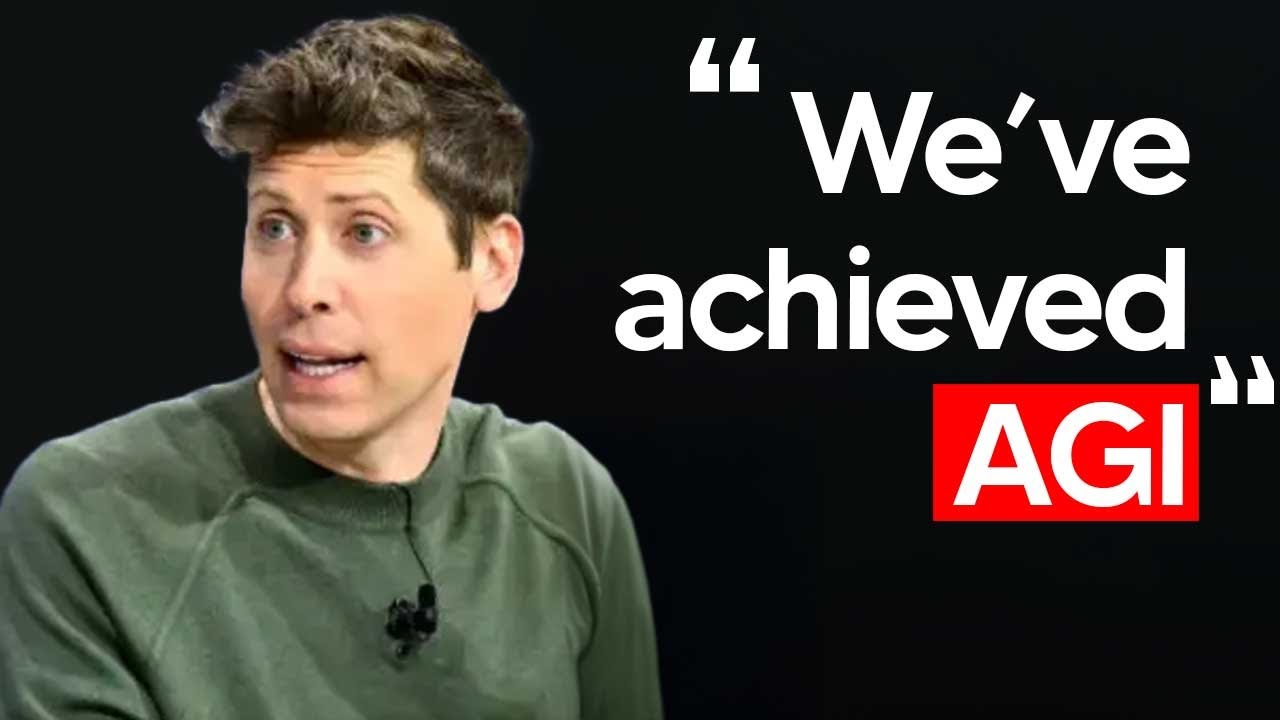
Incorporating sponsored messages into ChatGPT conversations represents a strategic move to offset the enormous expenses tied to advanced model development, since online promotion has historically served as a primary profit driver for industry leaders like Google and Meta.
Sam Altman addressed the matter publicly through a message on X, stating that numerous people desire extensive access to artificial intelligence capabilities without incurring charges, so the leadership remains optimistic about the viability of an advertisement-supported structure.
Promotional elements will display positioned at the conclusion of the chatbot replies and receive prominent identification as sponsored, according to the official announcement from OpenAI.
The company assured that no advertising influence will affect the core responses generated by ChatGPT and pledged never to share personal user information with marketing partners.
Restrictions apply to protect younger audiences, so nobody below eighteen years old will view these promotions. Certain subject areas, such as political discussions, medical advice, and psychological wellbeing topics, will also remain excluded from any ad placement.
In past conversations, Altman had voiced reluctance toward integrating advertisements into the product, warning that it might undermine confidence among the user base.
However, during a podcast discussion in November, he acknowledged that experimentation with this approach seemed inevitable at some stage, although he downplayed its potential as the dominant earnings channel.
OpenAI emphasized in its Friday statement that the organization will carefully study user reactions and make ongoing improvements to advertisement presentation while upholding an unwavering dedication to prioritizing people and preserving credibility.
During this evaluation phase, individuals can access explanations for particular ad appearances, reject unwanted promotions, and provide input on their overall impressions, the company added.
Other Stories You May Like