
Absences are part of everyday work. People get sick, take vacations, or run into personal emergencies. Even so, unplanned gaps can throw off schedules and create extra stress for managers and teams.
Many workplaces often try to manage everything with emails and spreadsheets, but that usually leads to mixed-up records and slow responses.
Modern absence systems help fix these issues by giving companies a cleaner, easier way to manage time off.
Table Of Contents 👉
What These AI Systems Do in Real Life
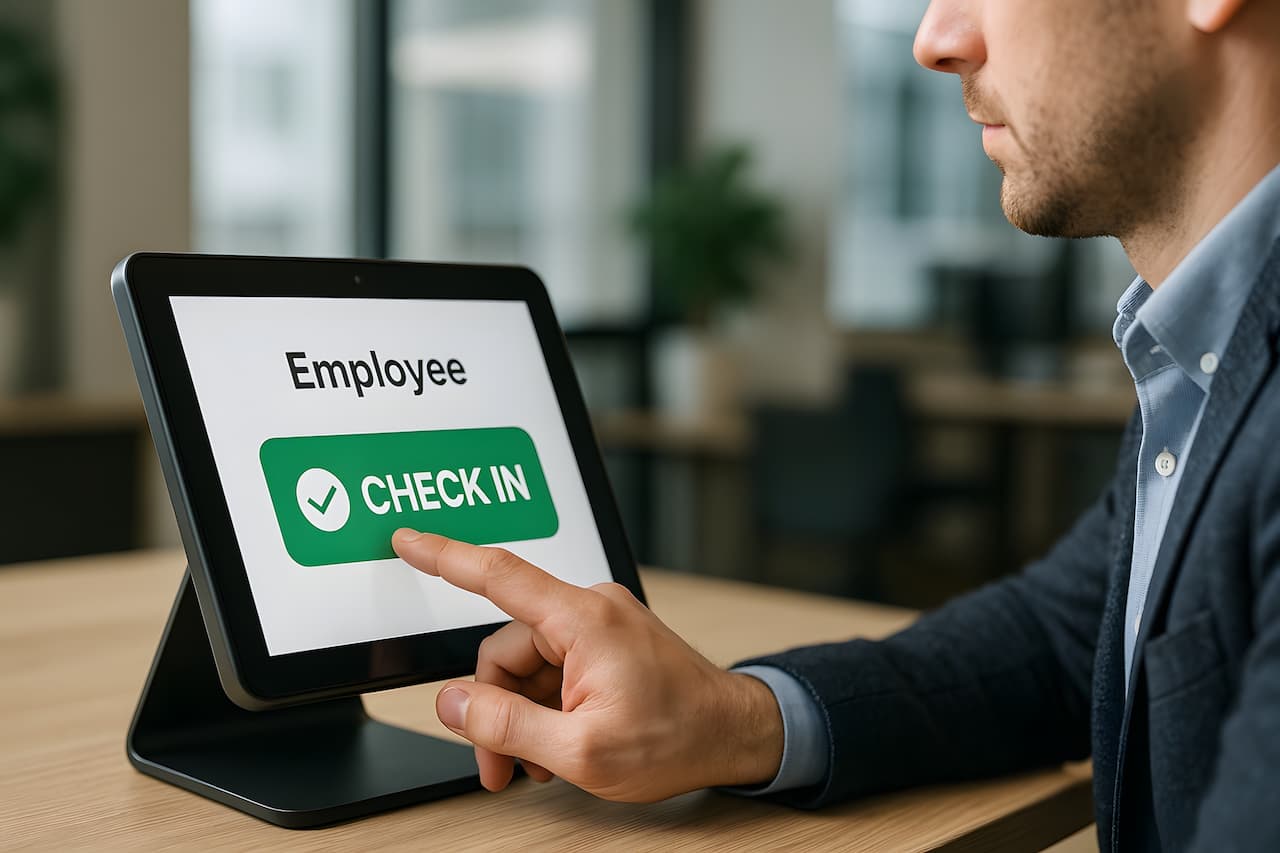
AI absence tools pull everything into one place. They track employee leave, leave balances, sick days, and leave accrual without someone having to update numbers by hand. They also handle time and attendance details so managers don’t have to chase missing information later.
The system both stores and studies data. When a team consistently struggles with coverage during the first week of each month, the system identifies that pattern.
When vacation tracking reveals that most employees request time off during the same season, managers gain the insight they need to plan ahead instead of scrambling through last-minute changes.
This kind of clarity makes a bigger difference than many realize. With complete, easy-to-read information at their fingertips, small scheduling issues stay small instead of snowballing into larger problems.
For teams seeking a smoother, more organized approach to managing all of this, choosing an absence tracking system that aligns with their workflow can make the process noticeably easier.
Why More Workplaces Are Moving Away From Manual Tracking
Old processes slow people down. HR professionals often spend hours double-checking numbers, sorting through messages, or redoing reports because something didn’t match. That’s frustrating for everyone involved.
AI systems simplify the entire workflow. Instead of juggling scattered information, everything sits inside one absence tracking system. Employees can use self-service portals to check schedules or request time off, while shared calendars help teams see who’s unavailable before planning a project or shift.
Some systems even link directly to payroll systems, ensuring that work hours and employee leave stay consistent across the board. This connection cuts down on pay mistakes and saves HR teams countless hours of back-and-forth.
The benefits extend to unexpected situations as well. When someone calls out suddenly, managers can look at the schedule, see who’s free, and adjust quickly. A clear view of attendance management makes those moments easier to handle.
Planning Becomes More Practical
Good planning comes from understanding patterns, and AI tools help managers see those patterns much earlier. They study attendance history and point out busy periods, common sick days, or times when certain teams usually need extra support.
This kind of insight helps companies make realistic staffing plans. For example, a call center may notice more employee leave around holidays. A warehouse might see more absences during extreme weather. When managers have this information ahead of time, they can shift work hours or train extra help.
These tools can even reveal deeper issues. If one department constantly struggles with attendance, it might signal burnout or uneven workloads. Managers can address the issue early instead of waiting for it to grow.
A Better and Fairer Employee Experience
Employees want clear rules and simple steps. AI tools support that because the system is designed to be intuitive. People can request time off, check leave balances, or view their benefits through a cloud-based platform that works seamlessly on laptops and mobile phones.
Everything feels more transparent, too. When the system follows the same policies for everyone, employees don’t worry about favoritism or miscommunication.
They can see how much time they have left for employee vacations or how their leave accrual is calculated. This builds trust and reduces confusion, which helps employee engagement in the long run.
Saving Time and Avoiding Extra Costs
Unplanned absences often lead to overtime, quick schedule changes, and workflow delays. AI systems help reduce those problems by giving managers a clearer picture of what’s coming. Better planning means fewer rushed decisions.
HR teams save time, too. They don’t have to manually update spreadsheets, track work hours across several systems, or rebuild attendance reports.
Reporting tools make it easier to share updates with leadership or review attendance patterns during reviews or audits.
All of this frees HR professionals to focus on work that supports people instead of work that drains them.
Stronger Records and Easier Compliance

Accurate records are both convenient and necessary. AI tools store every request, update, and decision in one centralized location. This means managers always know where to find what they need. This level of organization also helps companies feel more prepared when audits come around.
Some systems also send reminders when documents are needed or when someone is close to using all available employee leave. These small alerts help prevent compliance issues and keep everyone aligned with company policies.
What’s Ahead
AI-driven attendance tools will keep getting smarter and easier to use. People are already finding ways to use AI in everyday life, and that same shift is happening in the workplace.
Absence management systems will likely offer clearer insights, better connections to shared calendars, and stronger integrations with payroll systems.
As workplaces continue to change, tools that help with planning, clarity, and communication will become even more important.
Conclusion
AI-powered absence tools give workplaces a cleaner and more reliable way to manage employee leave. They help managers plan ahead, reduce errors, and understand attendance patterns. Employees gain clearer information and a fairer process for requesting time off, too.
HR professionals benefit from stronger recordkeeping and fewer manual tasks. These systems are becoming a key part of workforce planning as teams grow and workplace needs evolve.