
A recent incident at a Florida middle school has raised concerns about the reliability of AI security systems. Last week, Lawton Chiles Middle School was put on lockdown when an AI tool named ZeroEyes confused a clarinet for a firearm, leading to worries that the high costs associated with such technology might not be justified.
Despite human review of the AI’s alert, police rushed to the school expecting to find an armed individual. They were informed that a man in camouflage was possibly holding a weapon aimed down a hallway, according to an authentic report.
However, upon arrival, officers discovered that there was no shooter, and a closer examination revealed that what they thought was a rifle might actually have been a musical instrument.
ZeroEyes’ co-founder, Sam Alaimo, defended the AI’s actions, stating that it acted according to protocol, favoring caution over inaction.
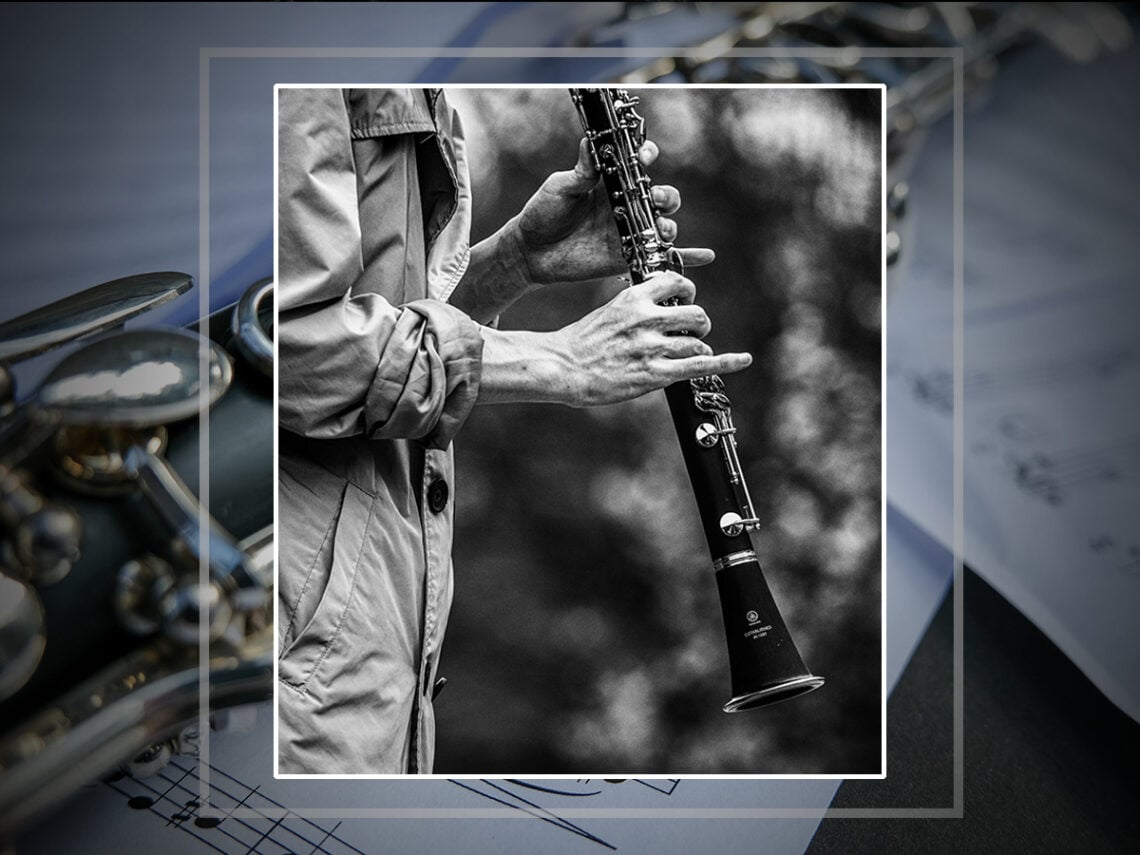
A spokesperson for the company explained that school officials often request alerts whenever there’s any uncertainty about a potential threat. Alaimo insisted that they did not make a mistake, emphasizing that it was better to have police respond than to ignore the alert.
When questioned, the student involved expressed surprise that his clarinet’s position could trigger such an alert. However, ZeroEyes representatives claimed he was deliberately holding the instrument like a gun. Instead of investigating the review process that led to this false alarm, the school seemed to side with ZeroEyes, placing blame on the student.
In a letter sent to parents, Principal Melissa Laudani urged them to discuss the risks of pretending to wield a weapon at school, clarifying that there was no actual threat.
Similarly, Katherine Crnkovich, a spokesperson for Seminole County Public Schools, stressed that the student was not merely carrying a clarinet but was holding it in a way that resembled a weapon.
Nevertheless, advising students against mimicking weapons may not fully resolve the issue. Footage from a Texas high school in 2023 showed how ZeroEyes could misinterpret shadows as guns, mistakenly flagging an innocent student.
The system had previously triggered a lockdown when it detected theater students using prop guns for a play rehearsal. Another AI tool, Omnilert, made headlines for mistaking an empty Doritos bag for a firearm, resulting in the arrest of a student who was simply holding the snack.
Experts in school safety have been critical of AI technologies like ZeroEyes, arguing that they consume significant resources despite being unproven.
ZeroEyes claims that most of its users rarely experience false positives, but it does not disclose how often these occur or how many actual weapons have been detected. Their FAQ suggests they are continually working to improve accuracy based on collected data.
Kenneth Trump, a school safety consultant, has labeled these technologies as “security theater,” suggesting that companies like ZeroEyes use misleading marketing to secure funding from schools by portraying their products as essential for preventing shootings. After facing scrutiny, reports indicate that ZeroEyes removed a claim from its FAQ stating that their system could prevent active shooter situations.
Officials confirmed that no children were ever in danger during the clarinet incident, yet experts worry that false alarms can create unnecessary anxiety among students. Some argue that schools might be better off investing in mental health services that have proven benefits instead of relying heavily on AI technology.
Laudani’s letter invited parents to reach out with concerns, but it remains unclear how many parents were actually upset. When asked about parental concerns or whether ZeroEyes had caused lockdowns at other schools, Crnkovich stated that specific details about safety systems used by SCPS are not disclosed.
Despite the controversy, it appears that SCPS plans to expand its use of ZeroEyes technology. In November, Florida state Senator Keith Truenow submitted a request for funding to install around 850 more cameras equipped with ZeroEyes throughout the district, arguing that increased coverage would enhance student safety from potential gun violence.
ZeroEyes is gaining traction as a favored tool among schools across 48 states, which hope that AI gun detection can help prevent tragic incidents. The technology is integrated into security cameras and is designed to recognize even the smallest features of a firearm.
Continuous monitoring allows humans to assess AI alerts and notify school superintendents of any concerning images, with police being alerted if a real threat is suspected.
According to ZeroEyes, the system has identified over 1,000 weapons in the last three years, including a notable incident where it detected a minor with an AK-47 on an elementary school campus in Texas, although no shots were fired.
Schools often invest substantial amounts, sometimes hundreds of thousands of dollars, depending on the number of cameras and other factors influencing pricing.
ZeroEyes estimates that schools typically pay around $60 monthly per camera, with larger contracts offering discounts. In Kansas, a state initiative to equip 25 cameras at 1,300 schools with ZeroEyes was projected to cost $8.5 million annually, with costs increasing significantly for expanded coverage.
Critics argue that ZeroEyes is positioning itself to dominate the school security market, profiting from fears of shootings without providing clear evidence of its effectiveness. The company reported a remarkable 300% revenue growth from 2023 to 2024 after facilitating numerous arrests through its detection and alert system.
Curt Lavarello, the executive director of the School Safety Advocacy Council, remarked on the high costs of such technology, pointing out that many products may not deliver on their promises.
Furthermore, experts who have dealt with major school shooting incidents note that while ZeroEyes can alert police quickly, the actual response time from law enforcement can often take several minutes, which could lessen the system’s effectiveness.
In Seminole County, ZeroEyes has been in use since 2021, but SCPS has not confirmed whether any actual guns have been detected to justify the proposed expansion.
There is a possibility that the district has this data, as Senator Truenow mentioned in his funding request that ZeroEyes can provide reports to help assess the effectiveness of its deployment.
A spokesperson for ZeroEyes stated that trained former law enforcement and military personnel make quick decisions about the legitimacy of threats, which is intended to reduce the likelihood of false alarms as more cameras are added.
Amanda Klinger, the operations director at the Educator’s School Safety Network, cautioned that too many false alarms could lead to two major issues. First, students might find themselves in dangerous situations when police arrive expecting an active shooter.
Second, repeated false alarms could cause officers to become desensitized, potentially leading to slower responses in real emergencies. Additionally, when students are labeled as suspects by AI, it can be humiliating and invasive, as noted in various reports.
“We need to be realistic about the limitations of these technologies,” Klinger emphasized.
Other Stories You May Like