
Encyclopedia Britannica along with its well-known dictionary branch Merriam-Webster has decided to take OpenAI to court. They claim the company behind ChatGPT secretly used their protected written works without any permission to build and improve its smart language systems.
Court papers were submitted in a federal courthouse in Manhattan just days ago. According to the filing, OpenAI took around 100,000 pieces from Britannica to feed into its training process.
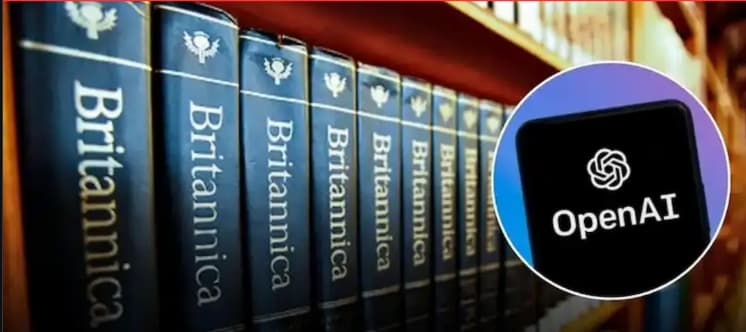
The suit says ChatGPT often spits out answers that copy or very closely mimic the original encyclopedia explanations and word definitions.
It also points out that the AI sometimes reaches back to Britannica’s live material on the spot while creating fresh replies for users.
The two companies say this setup means people no longer need to go to their actual websites for information. That shift cuts into the money they earn from paid memberships and online ads, which they use to keep producing fresh and reliable material.
On the branding side, they complain that ChatGPT sometimes makes up facts and links them wrongly to Britannica’s reputation, or shows half-finished versions of their content in a way that looks like official approval from the publisher.
In the legal demand, Britannica and Merriam-Webster want money to cover their losses, though the exact figure will be set later. They are also asking the judge to order OpenAI to stop the practices they see as wrong and harmful right away.
OpenAI pushed back against the accusations. A person speaking for the company told reporters that their technology helps drive new ideas forward. They added that the systems learn from information that anyone can find online and stay within the boundaries of fair use rules.
Britannica has another ongoing dispute with the AI search tool Perplexity that started earlier. This latest action against OpenAI joins a longer list of similar complaints from book writers, newspaper groups, and other content makers who feel their work is being taken without proper agreement to power artificial intelligence tools.
Other Stories You May Like