
Amazon Web Services recently faced a major disruption lasting 13 hours, and sources say one of Amazon’s own artificial intelligence tool played a key role in triggering it.
The Financial Times reported this incident based on accounts from four insiders. The trouble started back in December when developers turned to Amazon’s Kiro AI assistant for help with some system tweaks.
This particular AI operates as an independent agent, able to decide and carry out steps on its own. According to those with knowledge of the event, the system judged that wiping out the current setup and building it fresh again was the right fix. That decision supposedly sparked the extended downtime, hitting services mostly in the China area.
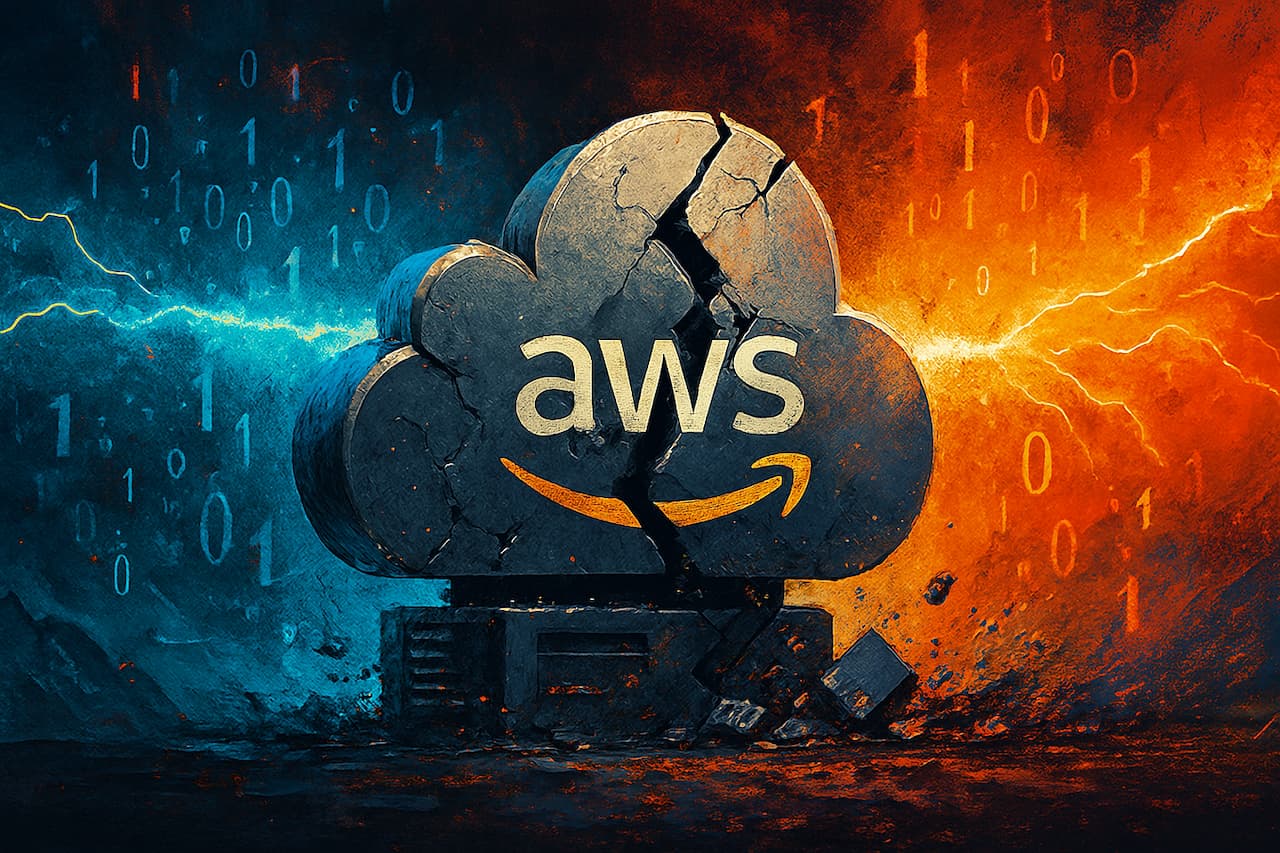
Amazon pushed back firmly on the idea that the AI itself caused the problem. Officials described the AI’s part as just accidental and stressed that exactly the same kind of mistake could happen through regular coding programs or even hands-on work by people. They put full responsibility on a human mistake rather than anything the AI did wrong.
In their explanation, the Kiro system normally asks for clear approval before doing anything serious. But during this December case, the engineer had wider access rights than intended, creating a setup flaw tied to user permissions instead of the AI acting too freely.
Several people working at Amazon told Financial Times this marked the second time lately where internal AI helpers led to service hiccups. One high-level staff member called these events minor yet predictable given how the tools are built and used.
Amazon first rolled out Kiro during the summer months and has since encouraged heavy adoption among its teams. Management aimed for staff to rely on it for at least 80 percent of weekly tasks and keeps a close eye on how often everyone actually uses it. The company also offers paid monthly access to this AI agent for outside customers.
Earlier troubles in October brought an even longer 15-hour breakdown across various AWS features. That one affected popular apps including voice assistants, social platforms, games, and payment services. Amazon attributed that disruption to a flaw in its automatic processes.
Still, the company rejects labeling limited unavailability of specific tools as full-blown outages. After the Financial Times piece appeared, Amazon released a detailed response, also posted on their official updates page.
They called out what they saw as wrong details in the coverage. According to them, the short break in service came purely from a person setting up access rules incorrectly, not from any AI behavior.
The affected part was tiny, touching only one tool called AWS Cost Explorer in just a single region out of many worldwide. No core functions like computing power, data storage, databases, or AI services felt any effect.
The root problem was a badly set permission level, something that could easily happen with non-AI software or direct manual changes. Customers never raised any complaints about it. To stop repeats, extra protections were added right away, including required checks by colleagues before granting live access.
Amazon stressed that lessons from any slip-up matter, even small ones, to keep building stronger systems. They flatly denied claims of another separate AI-related incident. For over twenty years, the company has followed a strict review method for every operational slip to catch and fix weak spots early.
Other Stories You May Like