
St. Louis, with its diverse neighborhoods, schools, and connected communities, reflects many of the challenges families face as young people navigate digital relationships.
Messaging platforms have become part of everyday communication for many children across the city, creating new questions about emotional safety and online interactions.
While these apps can provide connection and support, they may also introduce risks that parents may miss without careful attention to changing behavior.
Families in St. Louis and beyond should understand how digital conversations, social pressure, and harmful content may affect a child’s mental well-being over time.
Concerns about youth online experiences have increased awareness of potential harms and raised legal questions involving technology companies.
Understanding these concerns requires recognizing warning signs, reviewing online habits, and considering whether a child’s distress may involve circumstances that demand professional support from qualified advocates and legal teams today.
Parents seeking guidance about these issues may encounter discussions such as a Snapchat mental health lawsuit when exploring reported allegations.
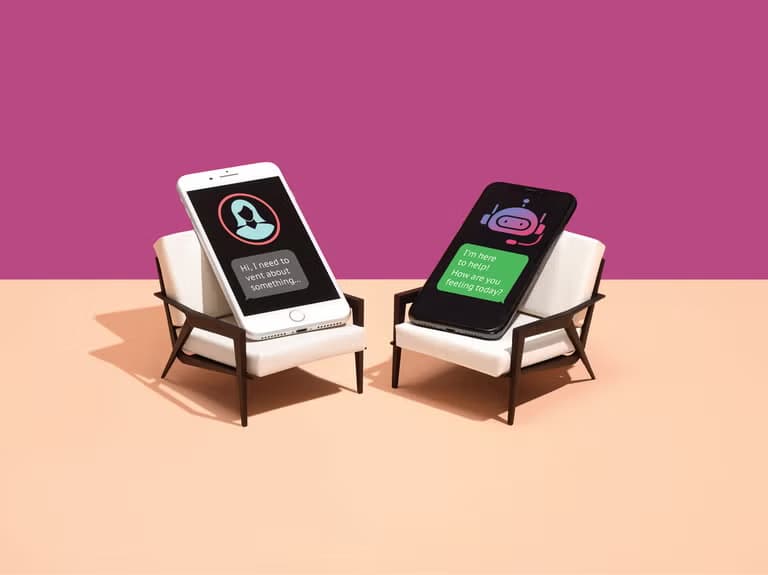
Why Messaging Apps Matter
Families researching reported harm linked to youth messaging tools may encounter the phrase ”Snapchat mental health lawsuit.” Court filings can describe alleged product features, exposure patterns, and claimed emotional injuries.
Those records cannot diagnose a child, yet they may prompt impactful questions about sleep, panic symptoms, coercive contact, compulsive checking, or self-harm material. Medical evaluation remains necessary when distress persists, or safety becomes uncertain.
Social Pressure and Constant Availability
Many young users feel obligated to answer immediately, even during meals, classes, homework, or family conversations. A delayed response may get interpreted as rejection, anger, or deliberate exclusion.
Group discussions can intensify that strain because several peers observe participation simultaneously. Repeated alerts interrupt concentration and increase physiological arousal. Household quiet hours let children disconnect without feeling every message requires an instant reply.
Pressure may also arise from visible read receipts, activity indicators, shared images, or rapidly changing group conversations. Some adolescents check their phones repeatedly to prevent social consequences.
That habit can reinforce anxiety through a cycle of anticipation, notification, temporary relief, and renewed checking. Caregivers should ask whether communication feels enjoyable, obligatory, frightening, or exhausting.
Harassment, Threats, and Humiliation
Digital cruelty may involve insults, impersonation, sexual rumors, threats, or repeated demands for private images. Screenshots and forwarded messages can extend humiliation beyond the original conversation.
Affected children may conceal distress because shame makes disclosure difficult. Sudden withdrawal, school avoidance, tearfulness, headaches, or fear of social contact deserve attention.
Threatening messages require prompt action, especially when they mention physical harm, weapons, stalking, or forced meetings.
Caregivers should preserve original evidence, record dates, report abusive conduct, and contact school personnel when the situation involves classmates. Use emergency services if a child faces immediate danger.
Exposure to Harmful Material
Young users may encounter graphic violence, sexual exploitation, eating disorder content, self-injury discussions, or dangerous stunts without actively seeking them.
Repeated viewing can disturb sleep, heighten fear, or reduce sensitivity to serious injury. Peer approval may also make risky behavior appear acceptable or admirable.
Caregivers can ask what appeared on the screen without demanding a complete account of every private exchange.
Open questions often produce more beneficial information than accusations. If material involves exploitation, threats, or self-harm instructions, adults should preserve evidence and seek professional help promptly.
Sleep Loss and Emotional Strain
Late-night conversations and repeated alerts can shorten total sleep time. Sleep deprivation affects attention, emotional control, memory, and impulse regulation.
After several nights of poor rest, children may become unusually irritable, tearful, forgetful, or physically uncomfortable. Headaches, stomach pain, and morning fatigue may accompany those changes.
Charging devices outside bedrooms can reduce interruptions, particularly when notifications continue overnight. A predictable evening routine supports healthier sleep timing.
Families should compare bedtime habits with daytime functioning, since changes in grades, patience, appetite, or motivation may reveal a meaningful connection.
Signs That Need Attention
Several changes warrant careful observation:
- Mood shifts that continue beyond one difficult day
- Withdrawal from relatives, classmates, sports, hobbies, or community activities
- Falling grades, missed assignments, or reduced classroom participation
- Frequent checking, hiding, deleting, or guarding of a device
- Sleep disruption, appetite changes, headaches, or stomach complaints
- Fear after receiving messages, images, requests, or invitations
- Statements involving hopelessness, shame, death, or self-harm.
One symptom may have multiple causes, including illness, bullying, family conflict, or academic pressure. A persistent pattern linked with phone use deserves a calm conversation and qualified assessment.
Privacy, Secrecy, and Safety
Children need age-appropriate privacy, while adults still carry responsibility for safety. Secret accounts, disappearing messages, unknown contacts, and requests for intimate images may increase vulnerability. Young people should know that addresses, passwords, school schedules, financial details, and private photographs require protection.
Building Healthier Boundaries
Rules work better when children help establish them. Families can agree on quiet hours, approved contacts, reporting procedures, location-sharing limits, and steps for handling unwanted requests. Adults should follow comparable limits by putting devices aside during meals, discussions, and rest periods.
Conclusion
Messaging services can support friendship and belonging, yet they may also contribute to anxiety, sleep loss, harassment, disturbing exposure, and social pressure.
Families can reduce risk by watching behavioral patterns, setting predictable boundaries, protecting personal information, and responding quickly to threats.
A withdrawn, frightened, or overwhelmed child needs patient attention rather than blame. Early support from trusted adults, school professionals, healthcare providers, or emergency services can protect psychological health and physical safety.